

How to Prevent Wasps From Building Nests Around Your Home
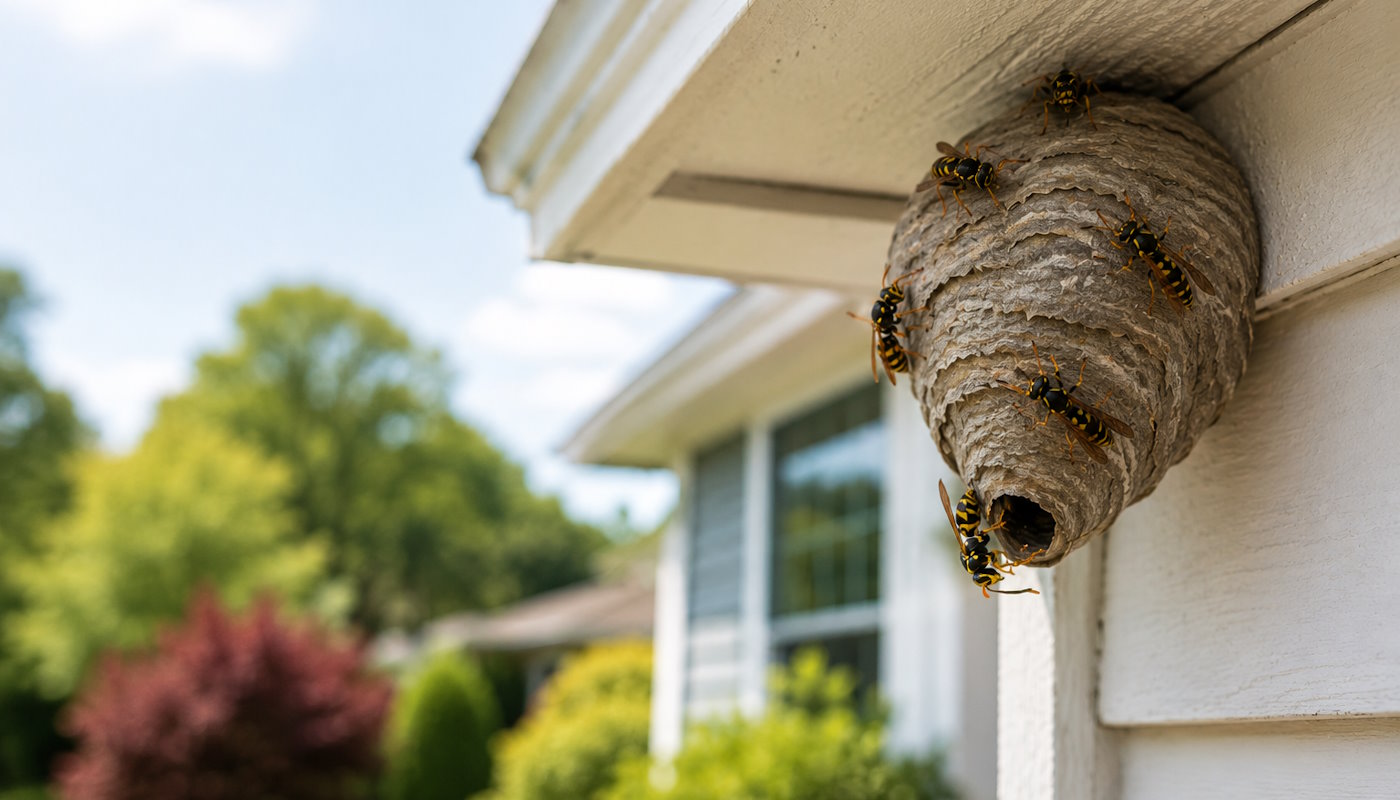
As temperatures rise, wasps become increasingly active as they search for safe places to build their nests. Eaves, decks, sheds, garages, trees, and even children’s playsets can quickly become attractive nesting spots. Once a nest is established, it grows rapidly and can become a serious nuisance—and in some cases, a safety hazard.
If you’ve been wondering how to prevent wasp nests, the good news is that a few proactive steps can dramatically reduce the chances of wasps settling on your property. Below, we’ll cover practical ways to discourage nesting and explain when it’s time to bring in the professionals.
Why Wasps Choose Your Home
Understanding why wasps build nests in certain locations makes prevention much easier.
Most wasps look for locations that offer:
- Protection from rain and wind
- Quiet areas with little disturbance
- Easy access to food and water
- Sheltered overhangs and cavities
Common nesting locations include:
- Roof eaves
- Porch ceilings
- Deck railings
- Attics
- Garages
- Sheds
- Trees and shrubs
- Mailboxes
- Outdoor furniture
- Children’s swing sets
The earlier you discourage nesting, the easier it is to avoid a larger infestation later in the season.
How to Prevent Wasps From Nesting Around Your Property
If you’re asking how to prevent wasps from nesting, these proven tips can make your home much less inviting.
Inspect Your Home Early in the Season
Spring is the best time to stop nests before they become established.
Walk around your property every week and inspect:
- Corners under eaves
- Porch ceilings
- Window frames
- Outdoor lighting
- Decks
- Sheds
- Fences
Small starter nests are much easier to address than mature colonies.
Seal Potential Entry Points
Certain wasp species build nests inside wall voids, attics, or other hidden spaces.
Inspect your home for:
- Cracks around siding
- Gaps near utility lines
- Open vents
- Damaged soffits
- Missing caulk around windows and doors
Sealing these openings can help prevent wasps from finding protected nesting areas.
Reduce Food Sources
Wasps are constantly searching for food, especially during summer.
Help prevent wasps by:
- Keeping trash cans tightly sealed
- Cleaning outdoor grills after use
- Picking up fallen fruit
- Covering outdoor food during cookouts
- Cleaning sugary drink spills
- Bringing pet food indoors after meals
The fewer food sources available, the less attractive your yard becomes.
Eliminate Standing Water
Like most insects, wasps need water.
Reduce water sources by:
- Emptying birdbaths regularly
- Repairing leaking faucets
- Fixing dripping irrigation systems
- Draining buckets or containers after rain
- Keeping gutters flowing properly
Reducing moisture helps make your property less appealing.
Keep Landscaping Well Maintained
Dense vegetation provides excellent shelter for nesting wasps.
Regular maintenance includes:
- Trimming bushes
- Pruning tree branches away from the home
- Removing dead limbs
- Keeping grass mowed
- Clearing brush piles
An open yard offers fewer protected nesting opportunities.
Repair Damaged Wood
Some species, particularly paper wasps, are attracted to weathered wood.
Repair or repaint:
- Deck railings
- Wooden fences
- Window trim
- Sheds
- Fascia boards
Keeping exterior wood in good condition helps discourage nesting.
Install Tight-Fitting Screens
Prevent wasps from entering enclosed spaces by ensuring:
- Window screens fit properly
- Attic vents are screened
- Crawlspace openings remain protected
- Chimney caps are secure
Blocking access prevents hidden nests from developing indoors.
Remove Small Starter Nests Carefully
One of the best answers to how do you prevent wasp nests? is removing them before they grow.
Very small nests discovered early in spring may be safely removed when there is little or no wasp activity. However, never attempt to remove an active or mature nest yourself, especially if it is:
- High above the ground
- Inside a wall
- Near entryways
- Large or heavily populated
Disturbing an active colony can trigger aggressive defensive behavior.
Don’t Ignore Early Warning Signs
You may not immediately see a nest, but wasps often provide clues.
Watch for:
- Frequent wasps flying to the same location
- Buzzing inside walls
- Increased activity under rooflines
- Multiple wasps around sheds or decks
These signs often indicate a nearby nest that should be inspected.
Why DIY Wasp Prevention Has Its Limits
Many homeowners try sprays or homemade remedies to prevent wasp nests, but these approaches often provide only temporary results.
Without locating and addressing the source of the activity, new queens may simply build another nest nearby.
Professional inspections identify:
- Hidden nests
- High-risk nesting areas
- Entry points
- Conditions attracting wasps
This allows for more complete, long-lasting prevention.
Protect Your Family Before Wasps Become a Problem
Wasps become increasingly defensive as colonies grow throughout the summer. Acting early helps reduce the chances of painful stings and unwanted encounters around your home.
Whether you’ve already noticed increased wasp activity or simply want to know how to prevent wasps from building a nest, the experienced team at Ed Lavery & Sons Pest Control can help. We provide professional inspections, safe nest removal, and preventative pest control solutions to help homeowners enjoy their outdoor spaces with confidence.
Contact Ed Lavery & Sons Pest Control today to schedule an inspection and keep wasps from making your home their next nesting site.