

Fall Season Bugs: How to Combat Bugs in the Fall
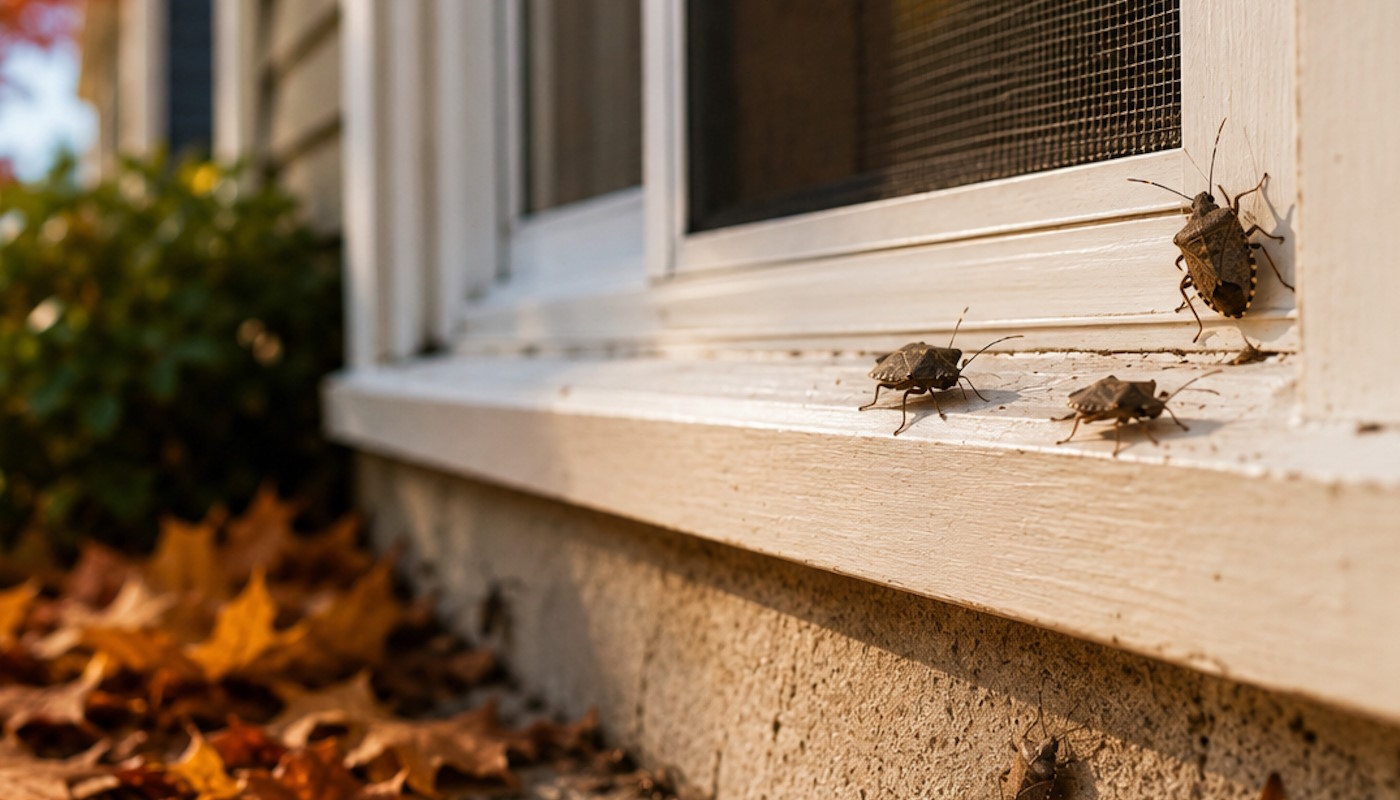
Fall in Connecticut means cooler temperatures, changing leaves and more time spent enjoying the crisp weather. But as temperatures begin to drop, homeowners may notice something else: bugs in the fall suddenly appearing in and around their homes.
While summer is typically associated with mosquitoes, bees, ants and other active insects, pest problems don’t disappear when summer ends. Instead, many insects begin searching for protected places where they can survive the colder months—and your home can provide exactly what they’re looking for.
Taking a proactive approach to fall pest control can help prevent unwanted visitors from settling into your home before winter arrives.
Why Are There So Many Bugs in the Fall?
Just like people, many pests seek protection from colder temperatures. As days become shorter and nighttime temperatures drop, insects instinctively search for warm, protected locations.
Unfortunately, homes provide plenty of potential hiding places.
Small cracks around foundations, gaps surrounding windows and doors, openings around utility lines, damaged screens and other tiny entry points can provide pests with access to your home.
Once inside, fall season bugs may settle into walls, basements, attics, crawl spaces and other protected areas. Some pests remain relatively inactive throughout the winter, while others can continue appearing inside your living spaces.
That makes early fall an important time to inspect your property and address pest activity before colder weather arrives.
Common Fall Season Bugs in Connecticut
Connecticut homeowners can encounter several different pests during the fall. Some are primarily a nuisance, while others may indicate a larger pest problem.
Spiders
Seeing more spiders around your home during fall isn’t unusual. Spiders may become more noticeable indoors as they search for food, shelter or mates.
Basements, garages, crawl spaces, attics and other quiet areas can provide ideal hiding places. Reducing other insect populations around your home can also help make your property less attractive to spiders.
Stink Bugs
Stink bugs are well known for appearing around homes when temperatures begin dropping. They can gather on sunny exterior walls before finding small openings that allow them to move into protected areas.
Once inside, stink bugs can overwinter in walls, attics and other hidden spaces before becoming active again when temperatures warm.
Ants
Ant activity may slow as temperatures fall, but that doesn’t necessarily mean ants have disappeared.
Ants can continue searching for food and shelter, and discovering ants indoors during cooler weather may indicate that a colony has found a protected location in or around your home.
Centipedes and Millipedes
Moisture-loving pests such as centipedes and millipedes may move indoors as outdoor conditions change.
Basements, bathrooms, crawl spaces and other damp areas can become particularly attractive. Addressing excessive moisture can therefore be an important component of both pest prevention and overall home maintenance.
Crickets
Crickets are another common fall pest that can move indoors seeking warmth and shelter. They may enter through cracks, gaps beneath doors or openings around the foundation.
Once inside, their distinctive chirping can quickly make their presence known.
Cockroaches
Cockroaches can survive indoors throughout the year, but cooler weather can increase their motivation to find reliable sources of warmth, food and moisture.
Because cockroaches can reproduce indoors, spotting one shouldn’t necessarily be dismissed as an isolated occurrence. Professional inspection and treatment can help determine whether there’s a larger infestation.
Don’t Forget About Mice and Other Fall Pests
They’re not bugs, but rodents deserve special attention when discussing fall pest control.
Mice can squeeze through surprisingly small openings and may begin searching for indoor shelter as temperatures fall. Garages, basements, attics and wall voids can provide protected nesting areas close to food and warmth.
Fall pest prevention should therefore address both insects and rodents rather than focusing exclusively on bugs.
How to Keep Bugs Out of Your Home This Fall
The best way to deal with bugs in the fall is often to prevent them from getting inside in the first place.
Start by inspecting the exterior of your home carefully. Pay particular attention to the foundation, windows, doors and areas where pipes, wires or utilities enter the building.
A few important fall pest prevention steps include:
- Seal cracks and gaps around your home’s exterior.
- Replace damaged window and door screens.
- Install or replace weatherstripping around exterior doors.
- Make sure door sweeps create a tight seal.
- Keep leaves and other organic debris away from the foundation.
- Trim shrubs, branches and vegetation away from the house.
- Store firewood away from your home’s exterior whenever possible.
- Address leaks and excessive moisture in basements and crawl spaces.
- Keep food properly sealed and clean up crumbs and spills.
- Inspect boxes, decorations and other outdoor items before bringing them inside.
These relatively simple steps can make your home less inviting to pests while reducing the number of potential entry points.
Why Fall Pest Control Treatment Is Important
Waiting until pests are already established inside your home can make controlling them more difficult.
A professional fall pest control treatment allows homeowners to address pest pressure while many insects and rodents are actively searching for places to spend the colder months.
At Ed Lavery & Sons Pest Control, fall pest protection can include exterior perimeter applications and identifying potential entry points around the home. The goal isn’t simply to eliminate pests you can see—it’s to help prevent pests from getting inside in the first place.
This preventative approach can be especially valuable in Connecticut, where the transition from warm summer weather to colder fall and winter temperatures can encourage pests to seek indoor shelter.
What Does Professional Fall Pest Control Include?
Every property is different, which means effective pest control should begin by understanding the specific conditions around your home.
Professional fall pest control may involve inspecting the property for signs of pest activity, identifying potential entry points, determining conditions that may be attracting pests and developing an appropriate treatment or prevention strategy.
Ed Lavery & Sons Pest Control incorporates Integrated Pest Management (IPM) principles into its approach. IPM focuses on inspection, identification, prevention, monitoring and targeted treatment to address the underlying conditions contributing to pest problems.
Rather than relying solely on treatments, this approach can include recommendations for reducing food, moisture, shelter and entry points that allow pests to thrive.
Should You Spray for Bugs in the Fall?
Fall can be an excellent time for preventative exterior pest treatment.
Treating strategic areas around the exterior of a home can help create an additional layer of protection as insects begin searching for winter shelter. However, effective pest management involves more than simply spraying around the house.
Exclusion, moisture management, sanitation, monitoring and properly targeted treatments can all play a role.
That’s why identifying the pest and understanding why it’s present are important before deciding on the best treatment strategy.
Is Fall Pest Control Worth It?
For many Connecticut homeowners, fall is one of the most important times of year to think about pest prevention.
Pests that successfully enter your home during September, October or November may remain hidden throughout winter. By the time you notice activity indoors, they may already have established themselves in protected areas.
Proactive fall pest control treatment can help:
- Reduce insects attempting to enter your home
- Identify potential pest entry points
- Address existing pest activity
- Reduce conditions that attract pests
- Protect vulnerable areas around the home’s exterior
- Lower the likelihood of indoor pest problems during winter
Instead of waiting for an infestation to develop, fall pest prevention focuses on stopping problems earlier.
When Should You Schedule Fall Pest Control?
Ideally, homeowners should begin thinking about fall pest prevention before consistently cold temperatures arrive.
Late summer through fall provides an opportunity to inspect the exterior of your home, seal potential entry points and address pest populations that may be active around the property.
However, if you’re already seeing insects or rodents indoors, there’s no reason to wait. Pest activity inside your home can be addressed at any point during the season.
Protect Your Connecticut Home From Fall Season Bugs
Cooler weather doesn’t mean the end of pest season. In many cases, it simply changes where pests are trying to live.
Taking preventative measures around your property and scheduling professional fall pest control can help keep insects and rodents outside where they belong.
Since 1960, Ed Lavery & Sons Pest Control has helped Connecticut homeowners protect their properties from seasonal insects, rodents and other pests. Our experienced team can inspect your property, identify pest problems and develop a customized solution designed around your home’s specific needs.
If you’re noticing bugs in the fall or want to prevent them before temperatures drop further, contact Ed Lavery & Sons Pest Control to learn more about our pest control programs and seasonal protection options.