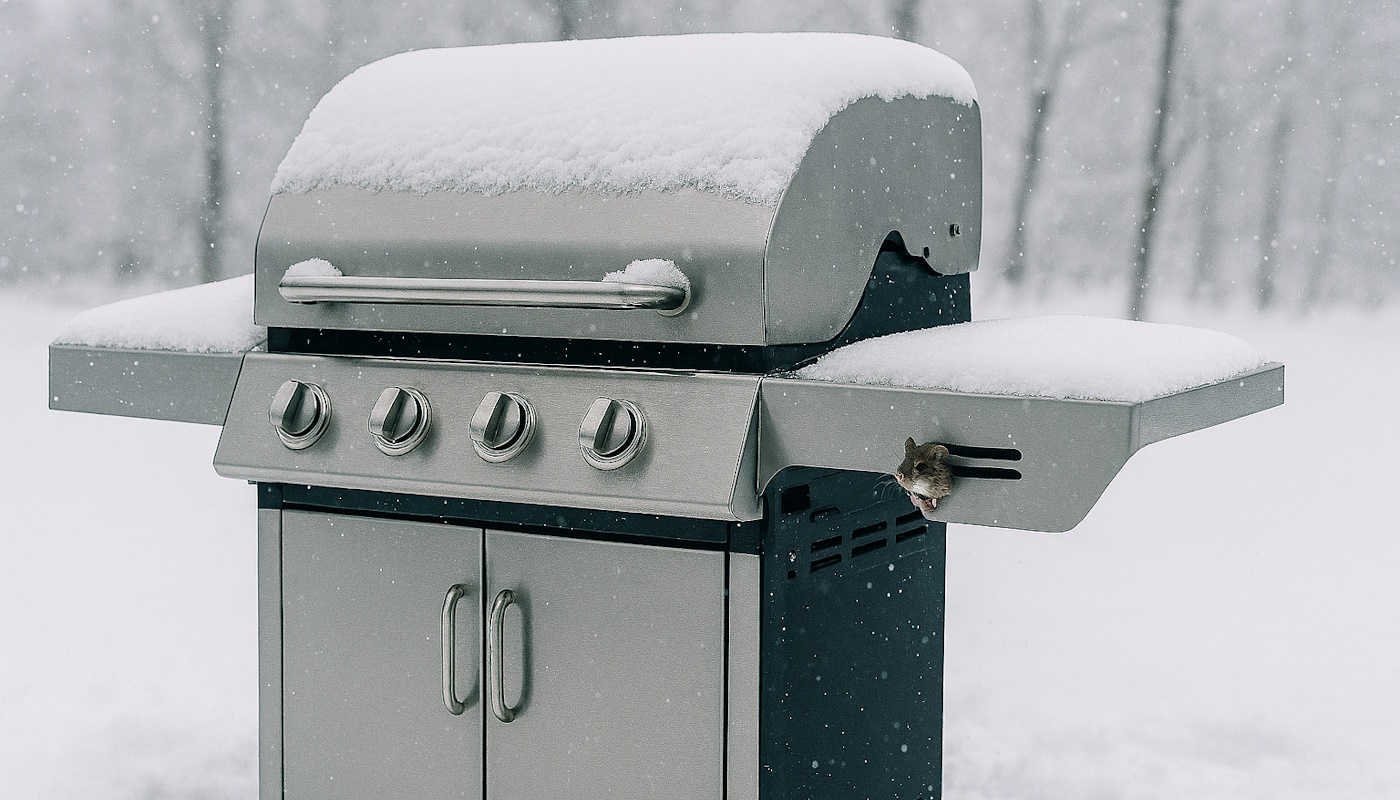
If you’ve ever opened your grill after a stretch of cold weather and found nesting material, droppings, or chewed grease trays, you’re not alone. Mice in grill situations are surprisingly common—especially in fall and winter when rodents look for warm, sheltered places near easy food sources.
In this guide, Ed Lavery and Sons Pest Control explains how to keep mice out of your grill, what attracts them in the first place, and what to do if you suspect rodents have already moved in. Whether you’re searching for how to keep mice out of my grill right now or planning ahead for colder months, these steps can help you protect your grill (and your home) year-round.
Why Mice Get Into Grills
Grills are basically “rodent resorts” when the weather cools. They’re enclosed, protected from wind and rain, and often contain leftover grease and food particles. Even if you clean regularly, tiny bits of residue can still attract rodents.
Common reasons you may be dealing with mice in grill issues include:
- Grease buildup in the drip pan or grease cup
- Food debris caught in grates, burners, or the firebox
- Warmth and shelter—especially under grill covers
- Nearby nesting spots, like woodpiles, sheds, or thick landscaping
How to Keep Mice Out of Your Grill (The Most Effective Steps)
If you’re wondering how to keep mice out of your grill, start with the basics: remove what attracts them and limit access points. These practical steps work for gas, charcoal, pellet, and smoker-style grills.
1) Deep Clean the Grill (Yes, Even If It “Looks” Clean)
The #1 reason people end up Googling how to keep mice out of grill is grease. A quick brush of the grates helps, but it’s not enough when rodents are looking for calories.
To keep mice out of grill, make sure you:
- Scrub grates and flavorizer bars thoroughly
- Remove and clean drip pans, grease cups, and trays
- Wipe down interior surfaces where grease collects
- Clean under burners and inside corners where debris hides
Tip: Cleaning is especially important before storing your grill for winter—otherwise you’re leaving a “buffet” behind.
2) Remove the Grease Tray and Store It Indoors
Grease trays are a major rodent target. If possible, remove the tray and store it inside (after cleaning). This small habit can make a big difference when you’re focused on keeping mice out of grill setups during colder months.
3) Rethink the Grill Cover
A cover protects your grill from weather—but it can also create a cozy pocket of warmth and concealment. If you’re looking for how to keep mice away from grill areas, consider these options:
- Use a snug cover that doesn’t leave “tents” or gaps underneath
- Avoid storing soft items (like extra towels or grill mats) under the cover
- Periodically remove the cover to inspect for signs of activity
If you consistently find rodents, it may be better to store the grill in a garage or shed where additional pest control measures can be used.
4) Block Access Under and Around the Grill
Mice don’t need much space to move in. If you want to know how to keep mice out of a grill area, you also need to limit their approach and hiding spots.
- Keep the area under the grill clear (no bags, boxes, or debris)
- Move the grill away from walls, fences, and tall shrubs
- Avoid placing grills next to woodpiles or compost areas
These changes reduce rodent traffic and help keep mice out of your grill long-term.
5) Store Grill Accessories Properly
Brushes, gloves, drip pans, and even charcoal or pellet bags can attract rodents if they smell like food. Store accessories indoors in sealed containers when possible. If you’ve been asking how to keep mice out of my grill, don’t overlook the “supporting cast” around it.
How to Keep Mice Out of Grill Over Winter
Cold weather is peak season for rodent problems. If your main concern is how to keep mice out of grill over winter, focus on storage and sanitation.
Best winter-prep steps include:
- Perform a full deep clean and remove grease components
- Store the grill in a garage or shed if possible
- Keep the grill elevated and away from clutter
- Inspect monthly for nesting materials or droppings
When you bring the grill out again in spring, do a quick inspection before firing it up to ensure it’s clean and safe.
Signs You Might Already Have Mice in Your Grill
Not sure if your grill is being used as a nesting spot? Watch for these red flags:
- Shredded paper, insulation, or leaves inside the grill
- Droppings in the firebox, under grates, or in the grease tray
- Chewed ignition wires or gnaw marks on soft tubing
- Unusual smells when you open the lid
If you suspect mice in grill activity, avoid cooking until the grill is thoroughly cleaned and disinfected. Rodents can carry bacteria and contaminate surfaces.
What to Do If You Find Mice in Your Grill
If you open your grill and find evidence of rodents, take these steps before using it again:
- Wear gloves and remove nesting material carefully
- Disinfect interior surfaces with an appropriate cleaner
- Clean and replace any heavily soiled components if needed
- Inspect wiring, hoses, and ignition systems for damage
Then take preventative steps to keep mice out of grill areas moving forward, including improving sanitation, reducing nearby shelter, and addressing rodent activity around your home.
Still Seeing Mice Around Your Grill? Ed Lavery and Sons Pest Control Can Help
If you’ve tried the tips above and you’re still dealing with mice in grill problems—or you’re noticing rodent activity around your home—it may be time to bring in a professional. Rodents rarely stay in one place, and grill nesting can be a sign of a larger issue in the yard, shed, garage, or home perimeter.
Ed Lavery and Sons Pest Control can help identify where mice are entering, what’s attracting them, and how to stop the problem at the source. If you’re looking for long-term solutions for keeping mice out of grill areas and preventing infestations, contact our team today.
Leave a Reply