

Why Are There So Many Spiders in My House in the Fall?
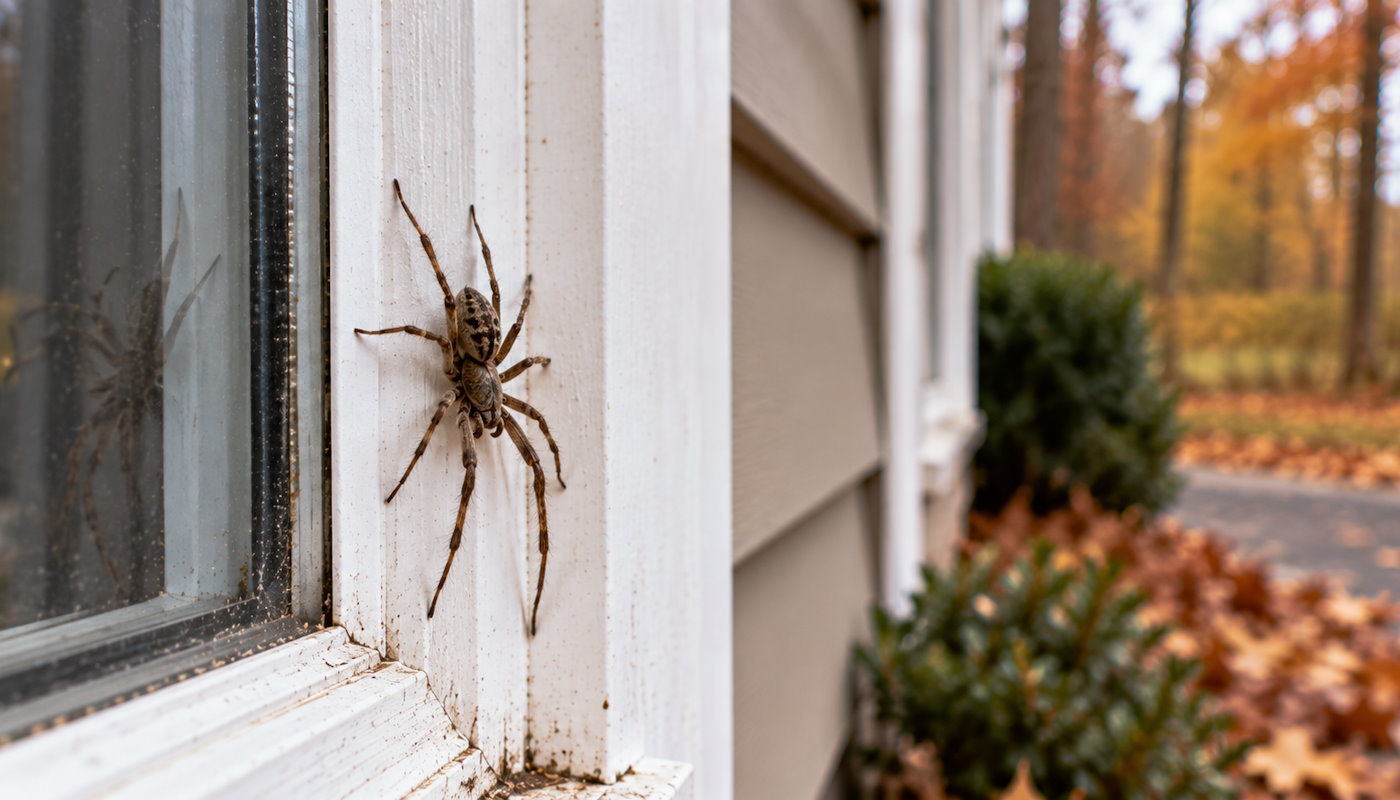
You’re walking through the basement and spot a spider in the corner. A few days later, there’s another one in the bathroom. Then you notice a web near a window. If it seems like there are suddenly more spiders in your house as summer turns to fall, you’re not alone.
Spiders often become more noticeable in and around Connecticut homes during late summer and fall. Increased activity doesn’t necessarily mean your house has suddenly been overrun with spiders. Seasonal changes, spider mating behavior and the availability of other insects can all contribute to what you’re seeing.
Understanding why spiders show up around your home can also help you determine whether you’re dealing with an occasional visitor or a larger pest problem that could benefit from professional pest control in Connecticut.
Why Are There So Many Spiders in My House in the Fall?
One common assumption is that spiders suddenly rush indoors as soon as temperatures begin to drop. The reality is a little more complicated.
Some spiders you encounter indoors may have already been living inside your home, basement, garage or other protected areas. Others may find their way indoors through small openings while searching for shelter, prey or mates.
Late summer and early fall can also be a particularly active period for certain spider species. Mature male spiders may travel farther in search of females, making them much easier for homeowners to notice.
In other words, you may not necessarily have more spiders than before. You may simply be seeing them more often.
Why Do Spiders Come Inside Your House?
Like other pests, spiders need suitable places to live and access to food. Your home can provide both.
Spiders may find their way into houses through small openings such as:
- Cracks around windows and doors
- Gaps underneath exterior doors
- Damaged window or door screens
- Openings around utility lines and pipes
- Foundation cracks
- Garage doors
- Vents and other exterior openings
Spiders can also accidentally hitch a ride inside on firewood, storage boxes, outdoor furniture and other objects brought into the home.
Does Having Spiders Mean You Have Other Bugs?
Sometimes, spiders can be a clue that other insects are present.
Spiders are predators. Rather than being attracted to crumbs or pantry food themselves, they feed on insects and other small organisms. If your home provides a reliable source of prey, it may also provide spiders with a reason to stick around.
Flies, mosquitoes, moths and other small insects can all become food sources for spiders. That’s why addressing the insects they’re feeding on can be an important part of long-term spider control.
If you’re seeing spiders along with several other types of pests, a broader Integrated Pest Management approach can help identify the conditions contributing to pest activity rather than focusing only on the spiders you happen to see.
Where Do Spiders Hide Inside a House?
Spiders generally prefer areas where they won’t be disturbed. Depending on the species, this can include both web-building locations and secluded spaces where spiders can hunt or hide.
Common hiding places include:
- Basements
- Garages
- Attics
- Crawl spaces
- Closets
- Storage areas
- Behind furniture
- Around windows
- Ceiling corners
- Utility rooms
- Under sinks
- Around boxes and stored belongings
Basements and garages can be particularly attractive because they tend to offer plenty of hiding places while also providing access to insects.
Why Are There Spiders in My Basement?
If there’s one part of the house where Connecticut homeowners frequently encounter spiders, it’s the basement.
Basements tend to be quiet, relatively undisturbed and filled with potential hiding places. Unfinished basements may also have more cracks and openings through which spiders and other insects can enter.
Boxes, shelving, stored belongings and clutter create additional protected spaces. Reducing clutter and keeping stored items organized can make these areas less inviting while also making pest activity easier to spot.
What Types of Spiders Are Found in Connecticut?
Connecticut is home to many species of spiders, and most encounters around homes involve spiders that pose little threat to people.
Common spiders homeowners may encounter include various house spiders, cellar spiders, orb-weaving spiders, jumping spiders and wolf spiders.
Different spiders behave differently. Some build webs and remain relatively close to them, while others actively hunt for prey and may be seen traveling across floors or walls.
Because appearance can vary considerably between species, avoid assuming a spider is dangerous based solely on its size or color. If you’re concerned about a spider you’ve found, professional identification can help determine what you’re dealing with.
How Can You Keep Spiders Out of Your House?
Completely eliminating spiders from around a property isn’t realistic or necessary, but there are several ways to reduce the chances of them establishing themselves inside your home.
Seal Cracks and Gaps
Inspect the exterior of your home for potential entry points. Seal appropriate cracks around windows, doors, foundations, pipes and utility penetrations.
Replace Damaged Screens
Torn window and door screens can provide easy access for spiders as well as the flying insects they feed on.
Check Exterior Doors
Weatherstripping and door sweeps can help close gaps underneath and around exterior doors.
Reduce Indoor Clutter
Stacks of boxes, clothing and other rarely disturbed items create hiding places for spiders and insects. Keeping basements, garages and storage areas organized makes these areas less hospitable to pests.
Be Careful With Firewood
Firewood can harbor spiders and other pests. Keep firewood stored away from the house when possible and inspect individual pieces before bringing them indoors.
Remove Webs
Vacuuming or removing accessible spider webs can help reduce spider activity indoors. Pay particular attention to corners, windows, basements and other undisturbed areas.
Address Other Insects
Because spiders feed on insects, controlling other pest activity can help make your home less attractive to them. Persistent spider activity may be a sign that it’s worth looking at the broader pest population around your home.
Should You Be Worried About Spiders in Your House?
Seeing one spider doesn’t necessarily indicate a major problem. Spiders occasionally wander into living spaces, and many species found around Connecticut homes are primarily a nuisance.
However, frequent sightings can be worth investigating, particularly if you’re seeing spiders throughout multiple areas of your home, finding numerous webs or noticing other insect activity at the same time.
A professional inspection can help determine where spiders are coming from, identify conditions that may be attracting them and look for other pests that may be serving as a food source.
Professional Spider Control in Connecticut
If spiders have become a regular sight around your home, simply removing the ones you see may not address why they’re there in the first place.
Ed Lavery & Sons Pest Control has served Connecticut homeowners since 1960. Our team can inspect your property for spider activity, potential entry points and other pest problems that may be contributing to their presence.
Lavery’s seasonal pest control program is designed to address a variety of common household pests, including spiders, while focusing on prevention and long-term pest management.
If you’re tired of finding spiders around your basement, garage or living spaces, contact Ed Lavery & Sons Pest Control to schedule an inspection and learn more about your spider control options.
Frequently Asked Questions About Spiders in the Fall
Why am I suddenly seeing spiders in my house?
Spiders can become more noticeable during late summer and fall because some species are more active during this period, including males searching for mates. Spiders may also enter through gaps around doors, windows, foundations and other exterior openings.
Do spiders come inside because it’s cold?
Not every spider you see in fall has recently entered your home to escape the cold. Some indoor spiders may have already been living inside the structure, while others can enter from outdoors. Seasonal spider activity can simply make them easier to notice.
Does seeing spiders mean my house has an insect problem?
Not necessarily, but frequent spider activity can sometimes indicate that prey insects are available. Because spiders feed on other insects, controlling those pests may also help reduce spider activity.
How do I keep spiders out of my basement?
Reduce clutter, seal appropriate cracks and gaps, repair damaged screens, improve door seals and regularly remove webs. It’s also important to address other insects that may be providing spiders with a food source.
Are spiders in Connecticut dangerous?
Connecticut has many spider species, and most spiders encountered around homes are not considered a significant threat to people. If you find a spider you’re concerned about, avoid handling it and consider having it professionally identified.
When should I call pest control for spiders?
Consider professional spider control when sightings are frequent, spiders are appearing throughout the home, you’re finding numerous webs, or you suspect another insect problem is attracting them. An inspection can help identify both the spiders and the conditions allowing them to thrive.